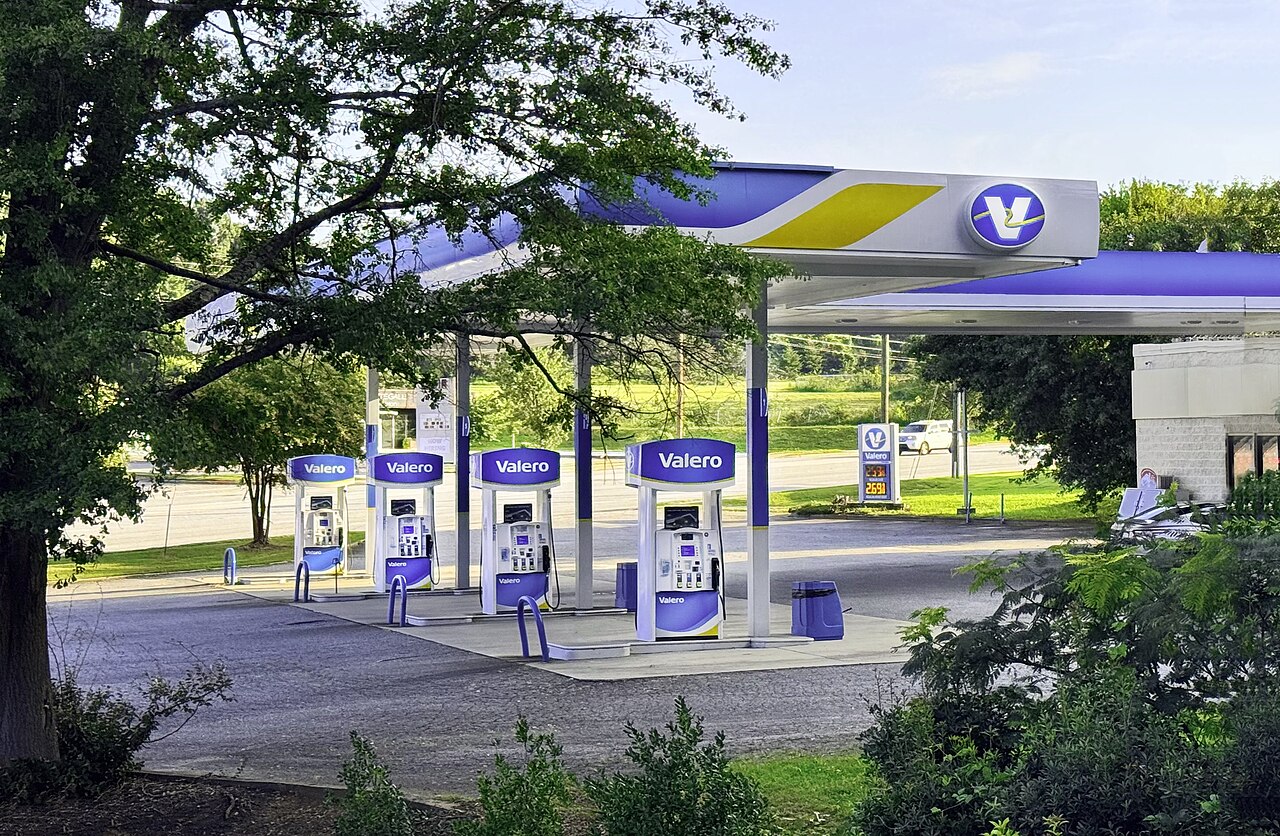
U.S. regular $4.071, diesel $5.599 in the week ended Aug. 31
EIA’s weekly retail print: regular down 1.4 cents, on-highway diesel down 5.3 cents. Midgrade $4.680, premium $5.070.
Sept. 19, 2026 — U.S. regular gasoline averaged $4.071 a gallon in the week ended Aug. 31, the Energy Information Administration said in its weekly retail gasoline and diesel update. That is 1.4 cents below the prior week. On-highway diesel averaged $5.599, down 5.3 cents. Midgrade averaged $4.680. Premium averaged $5.070.
The figures are EIA’s volume-weighted national retail survey, published in the Gasoline and Diesel Fuel Update and on the agency’s weekly retail price table. They are not a rack invoice and they are not any one banner’s posted board. They are the public print operators already use to see whether the market moved. Inside Snack posts the same four grades on the homepage, cited to that table.
What moved
Regular and diesel both fell. Diesel fell more. A week when the diesel line drops about a nickel while regular slips a penny-plus is a travel-center and fleet week as much as it is a gasoline-shopper week. Collapsing both into “fuel was down” hides the customer who is on the lot for a legally required break, a DEF fill, or a contracted gallon. The national regular number stays on the board. It does not get to be the only sentence.
EIA publishes the same series by Petroleum Administration for Defense District. A quiet national week can still hide a PADD 2 swing or a flat Gulf Coast. The question a fuel buyer asks on Monday is whether the district this chain drops in moved — not whether the U.S. regular headline made a consumer-news lede. The national print is the floor of that read, not the ceiling.
What public chains already said about margin
Casey’s General Stores told investors on June 9 that fiscal 2026 fuel gross profit rose 21 percent from the prior year, as the company “balanced gallons sold with fuel margin,” President and CEO Darren Rebelez said in the earnings release. That sentence is on the record. It is a year-ago P&L, not this EIA week. The useful juxtaposition is that a chain which just reported a stronger fuel-gross year is now looking at a national print where diesel dropped faster than regular.
The same 10-K that closed Casey’s year on April 30 counted 2,944 stores. The subsequent 10-Q put the door count at 2,959 as of July 31. Store count without the Monday print is a vanity metric. The gallon is still the trip driver for a large share of those visits. This week’s survey is the number those doors price against until the next Tuesday table posts.
How to read the board
Put the PADD that matches the last drop next to the last rack invoice. Look at regular and diesel, not just regular. Look at the week-over-week change before the level. A high print that did not move is a different decision than a $4.071 national regular that slipped 1.4 cents while diesel gave back 5.3 cents. The survey will not tell an operator what to post. It will tell them whether the market they actually purchase in moved.
Source: U.S. Energy Information Administration, weekly retail gasoline and diesel averages, week ended Aug. 31, 2026, released Sept. 1. Table: eia.gov/dnav/pet/pet_pri_gnd_dcus_nus_w.htm. Casey’s figures from the company’s June 9, 2026, fiscal-year release and the fiscal 2026 Form 10-K and subsequent Form 10-Q.