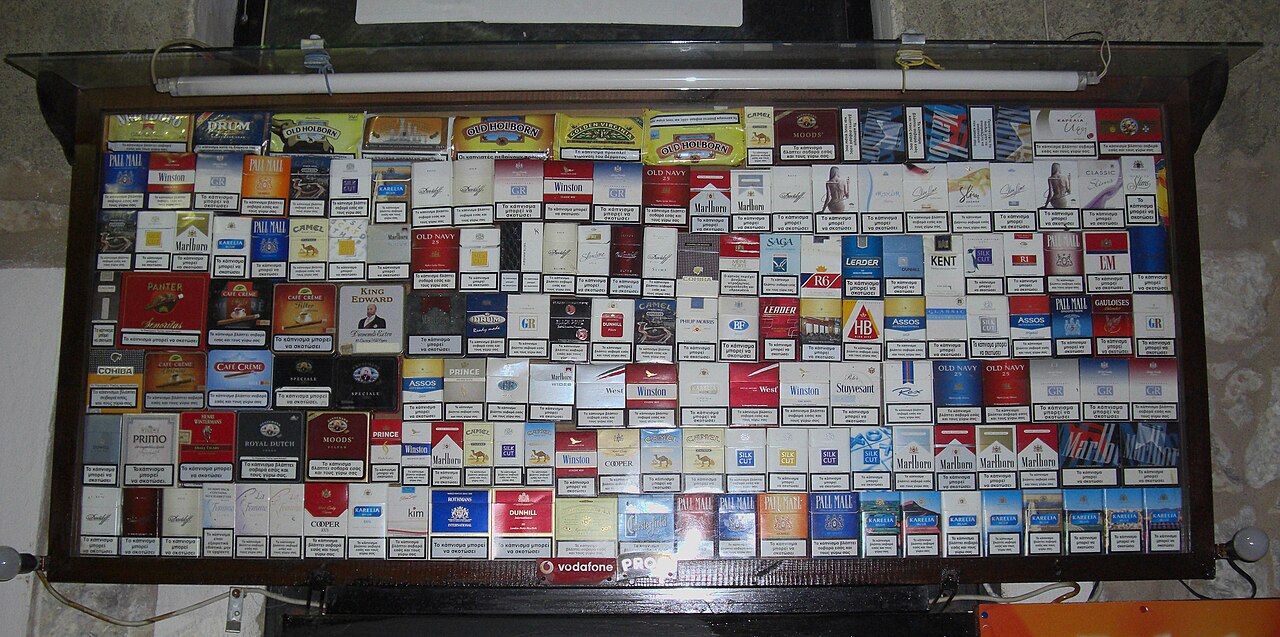
The nicotine reset is a statute, not a flavor brief
FDA premarket review and state flavor bans hit the fixture before they hit a keynote. Age-gating is the condition of the category.
Nicotine remains one of the highest-margin categories in convenience. It is also the category most likely to be rewritten while a reset is already on the truck. A Federal Register notice, an FDA marketing-denial order, or a state flavor statute can make a SKU unsellable in part of a chain’s map without touching the rest. Covering that as a flavor trend is how a desk misses the operator problem: what can still be sold, to whom, and on what fixture.
The FDA’s tobacco authorities, including premarket review for many e-cigarette products, sit beside state and local flavor restrictions that do not move in sync. A national planogram is a suggestion. A home-rule city can close the set. Age-gated storage and ID programs are not merchandising preferences. They are the condition of keeping the category. A buyer who treats the fixture as a display question will learn otherwise at the next inspection.
Two clocks that do not match
Federal tobacco policy moves on a docket. State and municipal flavor rules move on a legislative calendar. Those clocks do not share a Monday. A product that cleared, or has not yet been ordered off, the federal premarket process can still be illegal to sell in a jurisdiction that banned characterizing flavors. The reverse is also true: a SKU that is legal in a state can still be a federal enforcement problem. The planogram has to survive both.
Public c-store filers sometimes comment on tobacco or alternative-nicotine mix in an 8-K or 10-K. When they do, that sentence is on the record. It is usually more useful than a supplier’s “occasion” language. It will not, by itself, tell a multi-state buyer which SKU to pull in which DMA. The statute and the docket still have to be read against the store map. A chain that operates in PADD 2 and PADD 3 can have two legal sets in the same week, and the filing will not list the cities.
The fixture is the compliance tool
Age-gating is physical. Locked cabinets, behind-the-counter sets, and ID prompts at the POS are how a 2,800-square-foot box keeps the category. They also eat footage that used to hold a secondary candy or a travel-size OTC. A nicotine reset that ignores that trade-off is a vendor story. A nicotine reset that starts from the fixture the chain can legally operate is a buyer story.
Travel centers and rural independents feel the same rules with less labor. The clerk who is already running the coffee board is the clerk who has to card. A fixture that assumes a dedicated nicotine associate assumes a labor model most of the channel does not have. That is why “innovative nicotine occasion” copy from a booth is not the file. The file is whether the SKU can sit on a compliant fixture in the states the buyer actually operates, and whether the same clerk can enforce the age gate without dropping the rest of the ticket.
What this desk cites
The rule, the docket, or the statute. An FDA marketing order or denial when it names a product the channel sells. A chain’s own filed language about tobacco mix when it exists. We will not treat a flavor name as the news. We will not write a trend piece that ignores the jurisdictions where the SKU cannot be sold. We will not collapse cigarettes, vapor, and oral nicotine into one “tobacco” line when the law does not.
The useful question does not change in October: what can a buyer still put on the fixture after the next Federal Register notice and the next state session. That is the reset. The flavor is the packaging. A fixture that cannot survive both clocks is a display, not a category.