The diesel trip is not a QSR royalty
The customer is already on the lot. A suburban lunch franchise still loses the 2 a.m. board.
A travel center already won the hardest part of foodservice. The customer is on the lot because of diesel, DEF, or a legally required break. That is not the same business as a quick-service restaurant that pays for the visit with media and a drive-thru lane. Treating every pizza program, chicken sandwich, or coffee island as “the next limited-service brand” flattens the only advantage the channel has. The gallon brought the trip. The kitchen’s job is the second spend.
The operator math is closer to a large c-store foodservice program with more seats and a longer dwell than it is to a suburban franchise P&L. Labor, food cost, and hours that match the fuel island matter more than a national advertising fund. A branded franchise can fill a lunch daypart and still lose the night board if the royalty and the staffing model assume a school-zone peak, not a 2 a.m. lot. The diesel customer did not come for the brand. The brand has to earn the ticket after the pump.
Two P&Ls that share a parking lot
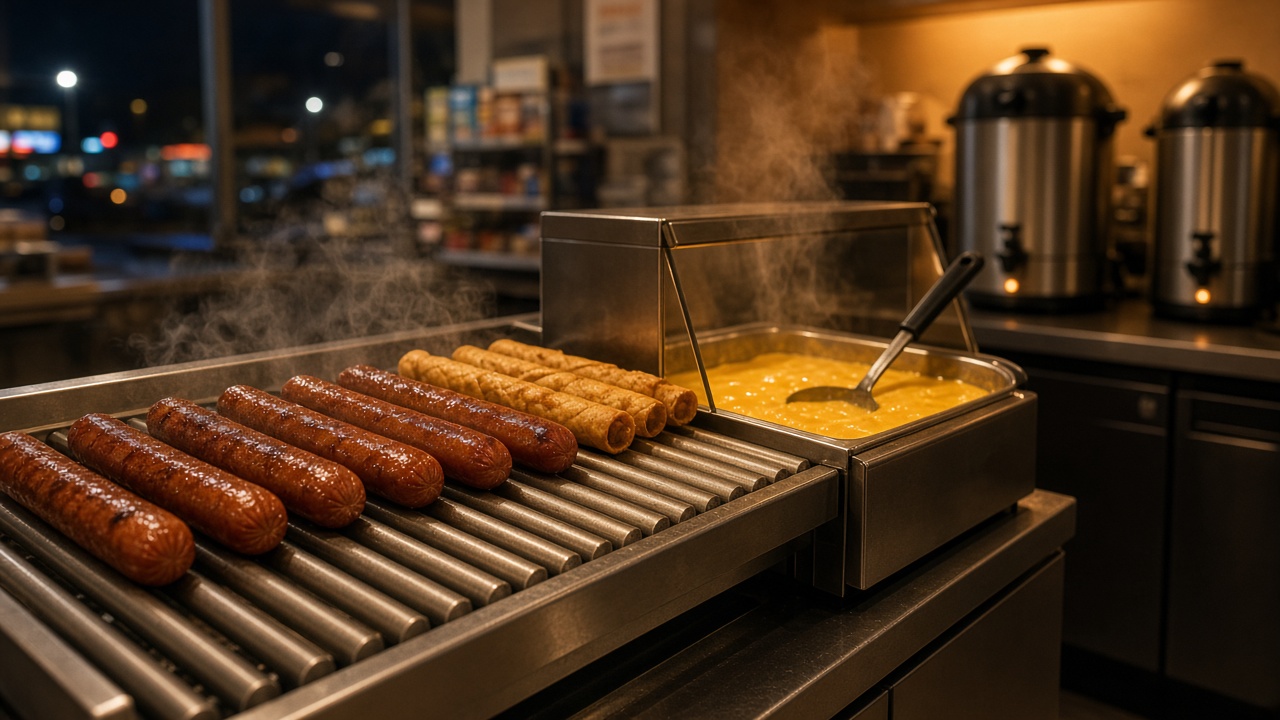
Fuel margin and foodservice contribution are different machines. Public travel-center and c-store filers sometimes separate them in MD&A; sometimes they bury both in “inside sales.” When the language splits gallons from prepared food, the filing is useful. When it does not, the kitchen is being scored as if it were a bag of chips. It is not. A roller grill and a seated dining room have labor the snack aisle does not. They also have a waste line the cooler does not.
BLS publishes food-away-from-home as a separate CPI series from food-at-home. That split is the right comparison set. Packaged snacks on a travel-center aisle compete with food-at-home. The pizza program and the made-to-order board compete with food-away-from-home. Using one inflation print for both is how a desk writes a false margin story. The kitchen is in the away-from-home fight whether the banner calls it QSR or not.
What a franchise assumes that a lot does not
A franchise stack assumes a reset crew, a marketing calendar, and a labor model built for peaks the highway does not have. It assumes the brand earned the trip. On a travel-center lot the trip is already paid for by the gallon, the hours-of-service clock, or the shower. Importing the full stack — royalty, required equipment, daypart limited-time offers designed for suburban lunch — can fill a photograph and still miss the overnight ticket. The useful programs are the ones a crew already on the floor can run at 2 a.m. without a dedicated brand manager.
Dispensed beverage and coffee are the quiet test. They use the same labor as the rest of the board. They do not need a drive-thru. They turn when the lot turns. A pizza program that needs a separate make line and a royalty check has to beat that math, not just look like the QSR down the interchange. Proprietary kitchens that keep the ticket and the labor model inside the banner have a different problem: quality and consistency across a night shift. That is still closer to c-store foodservice than it is to a franchise prospectus.
The question the filing should answer
Did foodservice earn contribution, or did the gallon bring a customer the kitchen failed to sell? Chains that report foodservice as its own line give the industry a way to answer that. Chains that do not leave the kitchen inside a merchandise blob. This desk will keep asking for the split — in a 10-K, an 8-K, or on-the-record commentary — because the lot already answered the traffic question. The remaining question is whether the board captured the dwell.
Equipment and programs that fit a travel-center or large c-store box without importing a full QSR stack are the file. The snack and dispensed-beverage cut stays on this desk when the kitchen captured the second spend. The kitchen and the curb are not two industries. They are two lines on the same ticket. Only one of them inherited the trip.